
 The problem of psychiatric vacancies has been a longstanding situation resulting in regular recruitment campaigns run by the Royal College of Psychiatrists (RCPsych).
Recruitment to the profession has been and continues to be hampered by the poor public perception surrounding it. Mainstream media went undercover to film abuse of vulnerable people detained in mental units, while psychiatric prescribing habits were shaken after researchers from University College London said low serotonin levels were not a factor in depression, and that the condition of depression was more likely to be linked to stressful life events.
In its latest recruitment drive, the RCPsych is targeting sixth formers and students, medical students and foundation doctors with campaign films, videos and podcasts in an attempt to garner interest and boost recruitment figures to the specialty. Some of the campaign material states, “Psychiatrists are doctors who look after patients with mental health problems, such as depression, anxiety, personality disorders and schizophrenia.” While this makes it sound and appear like any other specialty, the reality doesn’t reflect the narrative. Recent documentaries broadcast by Panorama and Dispatches revealed the level of abuse in psychiatric facilities along with the casualties linked to treatment.
Some of the recruitment campaigns over the years are revealing in terms of what some psychiatrists think about their profession. In 2008, an article was published in the British Journal of Psychiatry (BJPsych) under the heading ‘Wake-up call for British psychiatry.’ It reported that “…it is commonplace in the UK to hear non-psychiatrists – and frequently psychiatrists themselves – referring to psychiatrists as not being ‘proper’ doctors.”
In 2009, a survey was carried out by the Royal College of Physicians. Non-psychiatric doctors were asked what they would do if they suffered mental troubles. According to the research, the majority of doctors would turn to friends and family before they would seek advice from a professional when faced with mental health issues. Doctors revealed how they were keen to keep their professional integrity intact, avoiding the perceived stigma attached to mental health problems and the negative impact it may have on their career.
In June 2009, Professor Rob Howard who was Dean of the Royal College of Psychiatrists at the time, said there were difficulties enticing UK medical graduates into the specialty of psychiatry. There were reports that those who chose other medical specialties did not consider those pursuing psychiatry to be ‘real’ doctors.
In 2011, Dr Tom Brown, the then Associate Registrar for Recruitment into Psychiatry at the Royal College, spoke of the need to improve the image of psychiatry. He said, “There’s certainly a perception out there — and I don’t know whether it’s true — that psychiatry is held in low esteem within the profession and is the butt of jokes or bad mouthing from other medical professionals.”
In 2013, a headline in the BJPsych read ‘UK crisis in recruitment into psychiatric training.‘ It referred to the perception of some undergraduates, stating that for some doctors, “… the very content of psychiatry is viewed as unscientific. The specialty can be perceived as low status and not ‘best use of a medical degree’ by relatives, friends and some members of other clinical specialties too. Negative comments or ‘bad-mouthing’ about psychiatry and psychiatrists from other clinicians is thought to deter medical students away from the specialty.”
In 2015, another article was published in the BJPsych under the heading ‘Psychiatry – recruitment crisis or opportunity for change?‘ It stated psychiatry was suffering an enduring crisis in recruitment. It went on to say the profession was unique among specialties in that it has its own ‘nemesis’ in the form of the ‘antipsychiatry movement.’
In 2017, a report by the Royal College of Psychiatrists said one in 10 consultant psychiatrist roles in NHS organisations in England wasn’t filled and that vacancies had doubled in the past four years. And so it goes on.
It’s clear the psychiatric recruitment problem is longstanding, is enduring and continues to go unresolved. There are various schools of thought about the crisis. One of them concerns psychiatric outcomes. Many people who have turned to psychiatry for help have ended up as patients for life where the treatment, voluntary and involuntary, didn’t work.
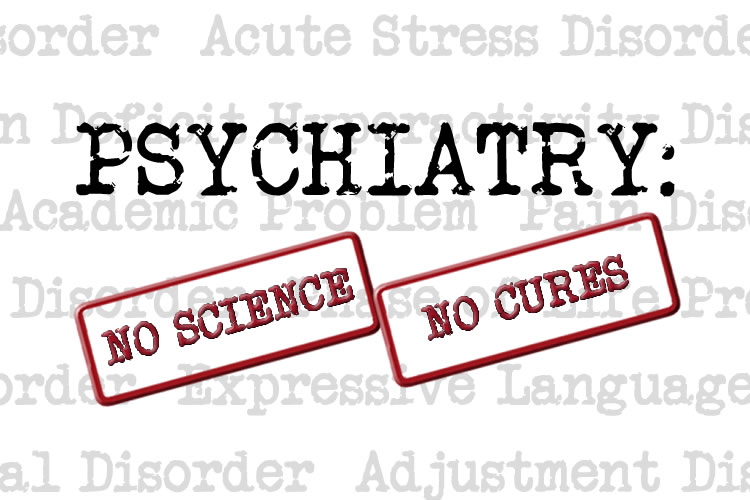 Psychiatrist Dr Norman Sartorius, a former president of the World Psychiatric Association, confirmed the problem concerning cures in psychiatry when he said, “The time when psychiatrists considered they could cure the mentally ill is gone. In the future, the mentally ill have to learn to live with their illness.” Psychiatrists openly admit they don’t cure their patients.
Further, in a major departure from medical diagnosis, psychiatric diagnoses are devoted to the categorisation of symptoms only, not the observation of actual physical disease. None of the psychiatric diagnoses are supported by scientific evidence of biological disease of any kind.
Then there are psychiatric ‘treatments’ which mask the real cause of problems in life and debilitate the individual, so denying him or her the opportunity for real recovery and hope for the future. Recovery is the forte of real doctors who practice regular medicine.
In an act of compassion and empathy, doctors, whether in primary or secondary care, should be encouraged to help their day-to-day patients as they themselves would like to be helped, assisting them with real solutions and real medicine instead of referring them to psychiatry where cures are wishful thinking.
It is a validation of sixth formers, students, medical students and foundation doctors that they don’t accept the psychiatric recruitment narrative, but instead think for themselves, and progress towards medicine that adheres to the humanitarian principle of “do no harm.”


