
Regarding the mental welfare of those who are experiencing difficulties, it would be beneficial to promote an optimistic and hopeful outlook, especially at a time when the nation is navigating the global chaos associated with the pandemic.
However, when reading some recent psychiatric statements in the press, the pessimism has been elevated to new levels. In view of the fact that psychiatrists deal with people experiencing mental difficulties, the level of pessimism is disappointing and even detrimental to those looking for comfort and help.
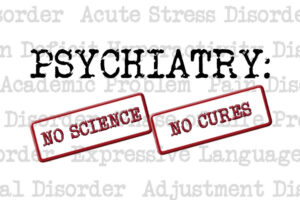
Adrian James, President of the Royal College of Psychiatrists, has been reported in the media using the adjectives ‘catastrophic’ and ‘devastating’ in relation to the pandemic. Concurrent with this bleak narrative, he has made a call for more investment in mental health. Considering the outcomes and long-term results that continue to emanate from the psychiatric industry, such investment would be misguided and wasteful, producing similar poor results.
For governments worldwide, the initial societal solution was to spend millions on psychiatry, a profession which claimed to have the answers to the problems of mental illness. But when the problems worsened, psychiatrists and their membership bodies justified the damage and the suicides linked to psychiatric drugs while at the same time elevating the cost of their ‘solutions.’ This time, they said they needed billions. When the problems continued to worsen, the experts said they needed more billions. And so it goes on in present time.
This doesn’t mean that serious mental difficulties don’t exist, that people’s hopes and dreams can’t be shattered or that their methods of coping with the problems of life cannot fail. If however the mental health situation is worsening, it means psychiatry has failed to effectively resolve the problem. At the very least, the psychiatric industry has shown itself to be technically incompetent.
Many people who pursued help for their mental difficulties have ended up as patients for life. Many have found themselves addicted to antidepressants or anti-anxiety drugs. The pessimistic psychiatric outlook, when accompanied by dangerous psychiatric drugs that exacerbate perceived difficulties, is a double hit for anyone hoping for recovery.
The workability and results of any industry are key factors for potential investors. Since the main investors in mental health services are taxpayers, there should be an insistence on psychiatric accountability. That might be uncomfortable for psychiatrists who seek more funding, but it could be life-saving for those who simply need an injection of kindness and compassion in their time of need.
Rather than relying on psychiatric drugs, human compassion has a far better risk benefit ratio. It has only positive effects that can be long-lasting and the dosage can be increased whenever necessary, without risk.